ECONOMIC EFFECTS
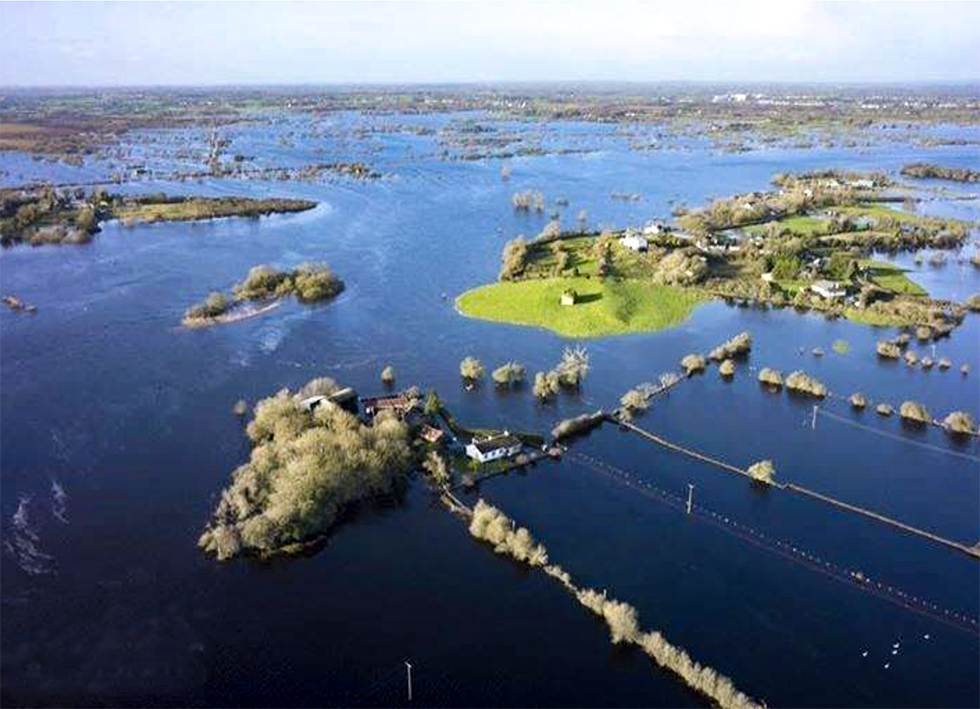
Economically flooding creates a massively negative impact on both urban and rural communities. Homes, crops, farms, businesses, machinery, and travel have been severely impacted or in some cases destroyed. Insurance of property is no longer available in many areas.
Farming adjacent to the river and industry, in general, can be crippled as floods bring all economic activities to a standstill. Loss of livelihood can seriously decrease the purchasing/selling power for all business enterprises and production levels may decrease or cease completely. Flooding hinders economic growth in towns and countryside alike and may cause a frail local economy to collapse. This condition is not only local but spreads nationally as flooding worsens. Relocation, as an option, comes at a huge cost to both families and the government alike. Ultimately, this breaks up a community and negatively impacts local and micro-economies. Property and lands decrease in value and sometimes become worthless. All this has fundamentally serious implications.
The response to date from Government Agencies has been largely ineffective and despite spending significant sums of money on minor relief to roads/structures, there has been little evidence of any overall, positive long-term solution.
The Objectives we compiled can help to overturn these disastrous effects and enable people to live in their homes, conduct their business profitably, and ultimately keep the local and national economy in a healthy position.

HEALTH RISKS
The effect of flooding on the well-being of people has both an immediate and long-lasting effect both physically and mentally. Displacement from home, destruction of property, loss of livelihood, disruption of business, isolation, and fear can, and does, cause continuing stress which can overwhelm people. All this has the power to destroy lives.
The physical health risks from polluted floodwaters through water-borne diseases (eg. Weil’s disease, E-coli, etc can result in death. Contamination of drinking/washing water from raw untreated sewage has severe implications.
The risk of injury is significant and cannot be emphasised strongly enough. This applies to young and old alike. Slipping or falling into polluted water is a common occurrence. Tiredness from keeping electric, petrol, and diesel pumps active over long periods does result in accidents. Availability of ambulance and medical services are severely curtailed in flooded areas.
Again, the Save Our Shannon Organisation, through our Objectives shows that all this can be prevented in a cost-effective manner which would result in people having peace of mind and safety in their own home. This can be done by goodwill and appropriate action from the different Government Agencies.

ENVIRONMENTAL EFFECTS
In environmental terms, raw sewage, chemicals, and other hazardous materials end up in the flood water and this eventually contaminates all water bodies including drinking water. Additionally, floods and contaminated floodwaters kill animals and wildlife through sickness and drowning. Through Government inaction, we have lost the globally threatened Corncrake. We are now in grave danger of losing our equally important “wader bird” species due to Summer flooding.
Flora and Fauna are seriously affected through contamination and being starved of oxygen in deep floodwater due to the fact that water is covering the land for several weeks/months. Ecosystems are severely distorted with manifestations of rodents and insects accumulating in affected areas. The more serious effect is the distortion or complete destruction of natural balances in the whole ecosystem. For example, birds that nest on or near river systems are destroyed through Summer flooding. Environmental issues throughout Summer and Winter are ignored.
The consequences emanating from flooding have far-reaching serious effects on both people and the environment.
Proper maintenance and cleaning of this waterway, the largest in Ireland, can alleviate all of the above and restore the ecosystems naturally.

The EU water framework directive
does not ban maintenance and cleaning
According to Directive 2000/60/EC, only 5m3 in 24 hours is allowed for effluent per day for domestic sewerage in adverse conditions. For a period of 6 weeks during and after the above flooding event raw sewerage was being pumped into the Shannon. This is an environmental disaster.